Botanical
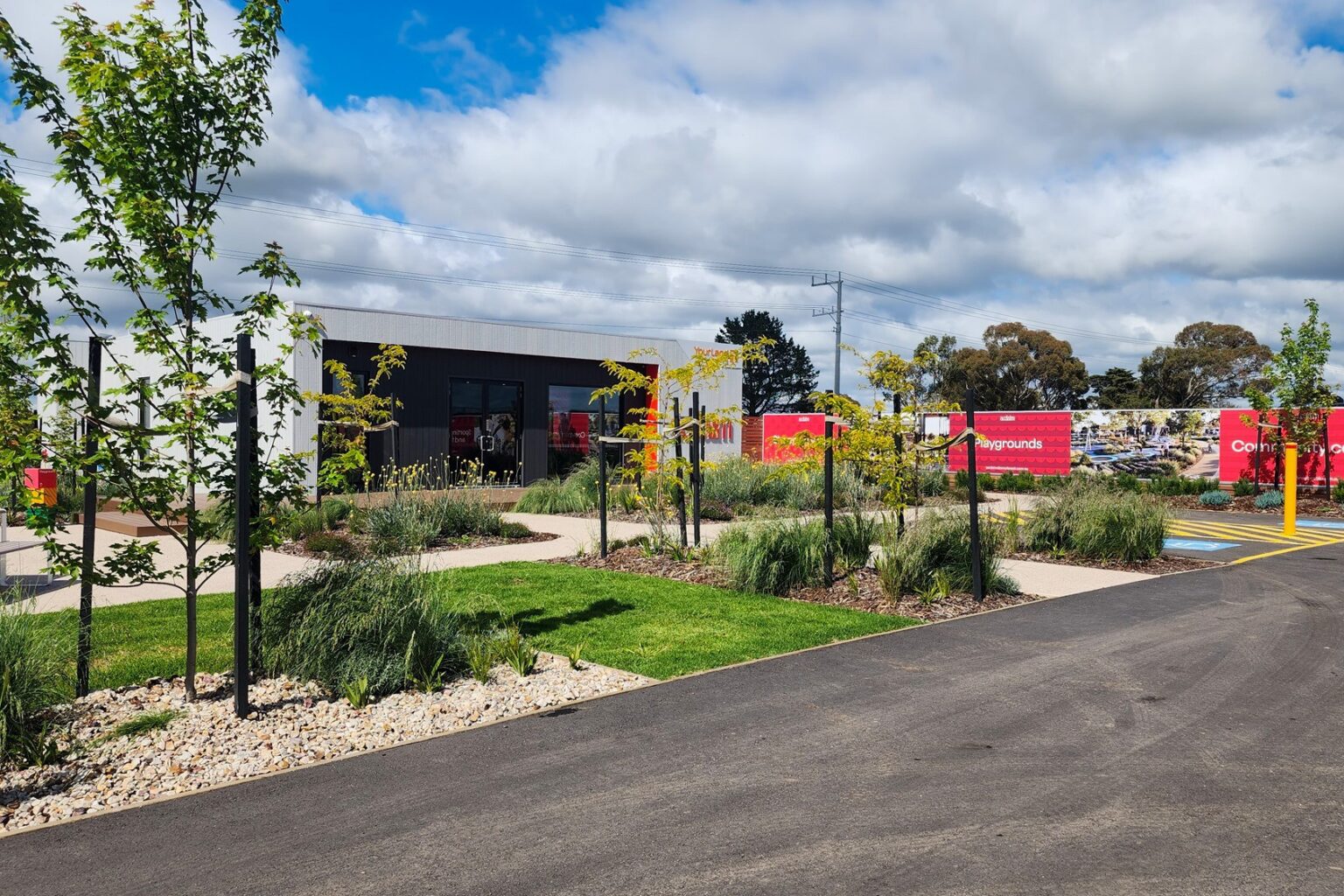
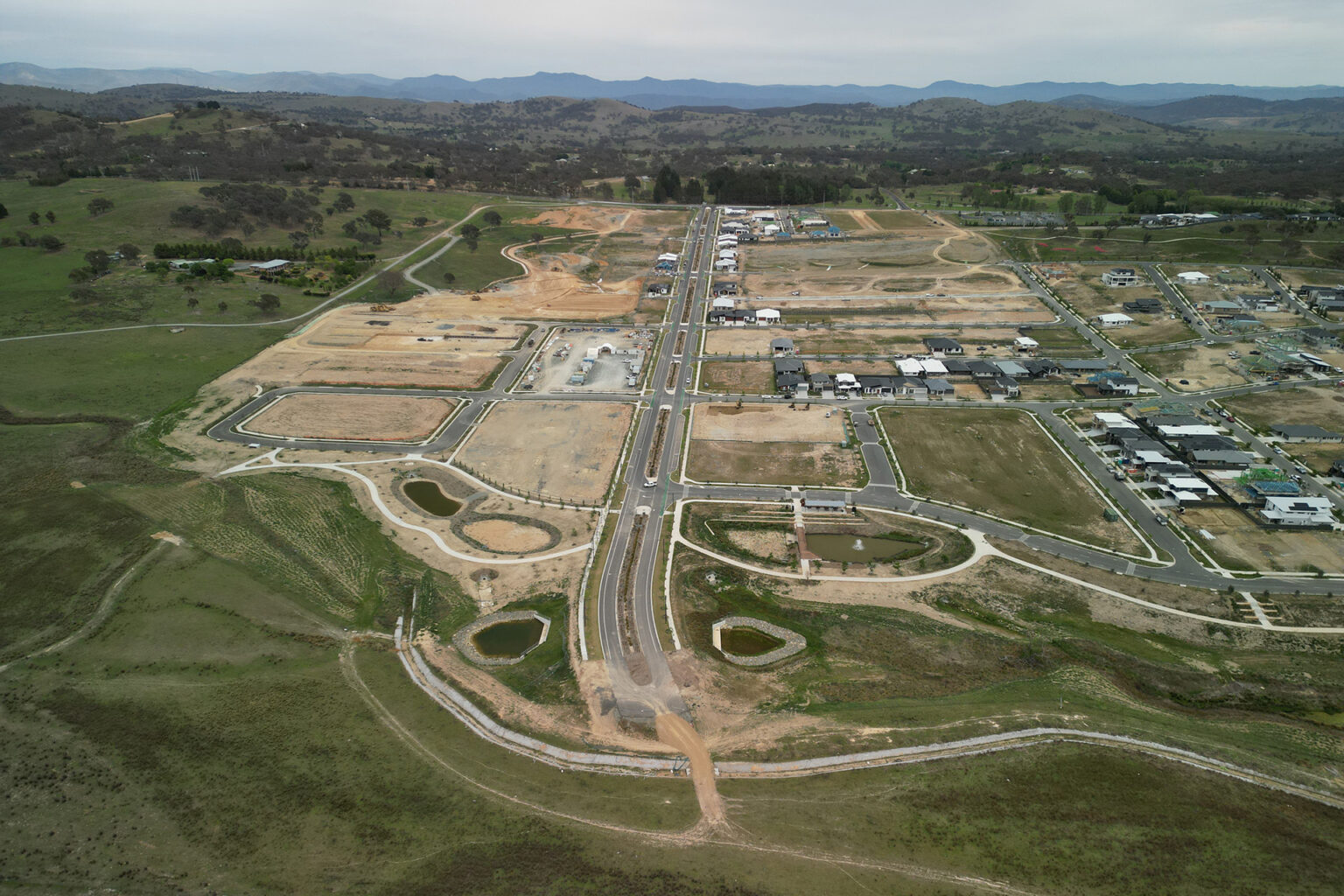
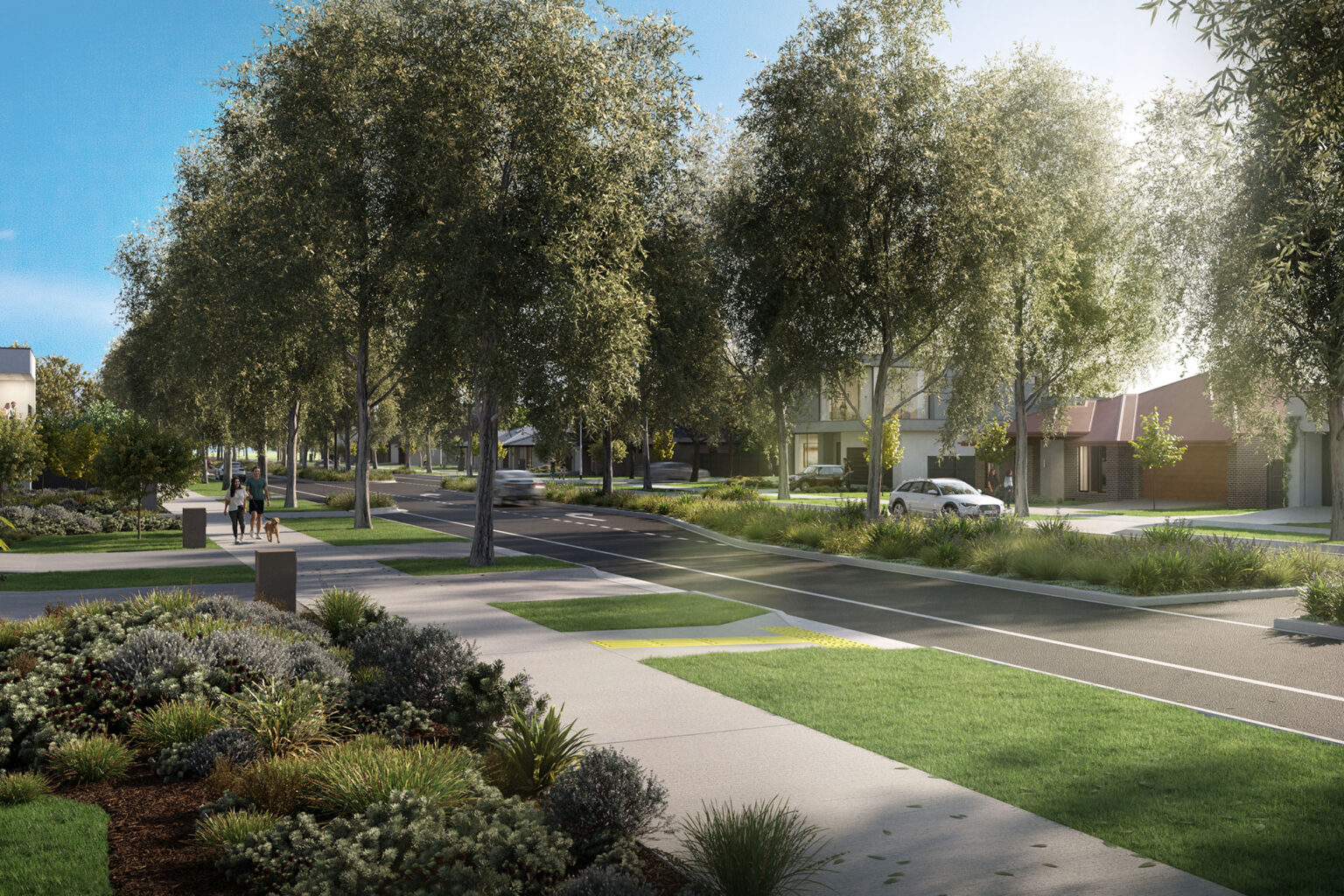
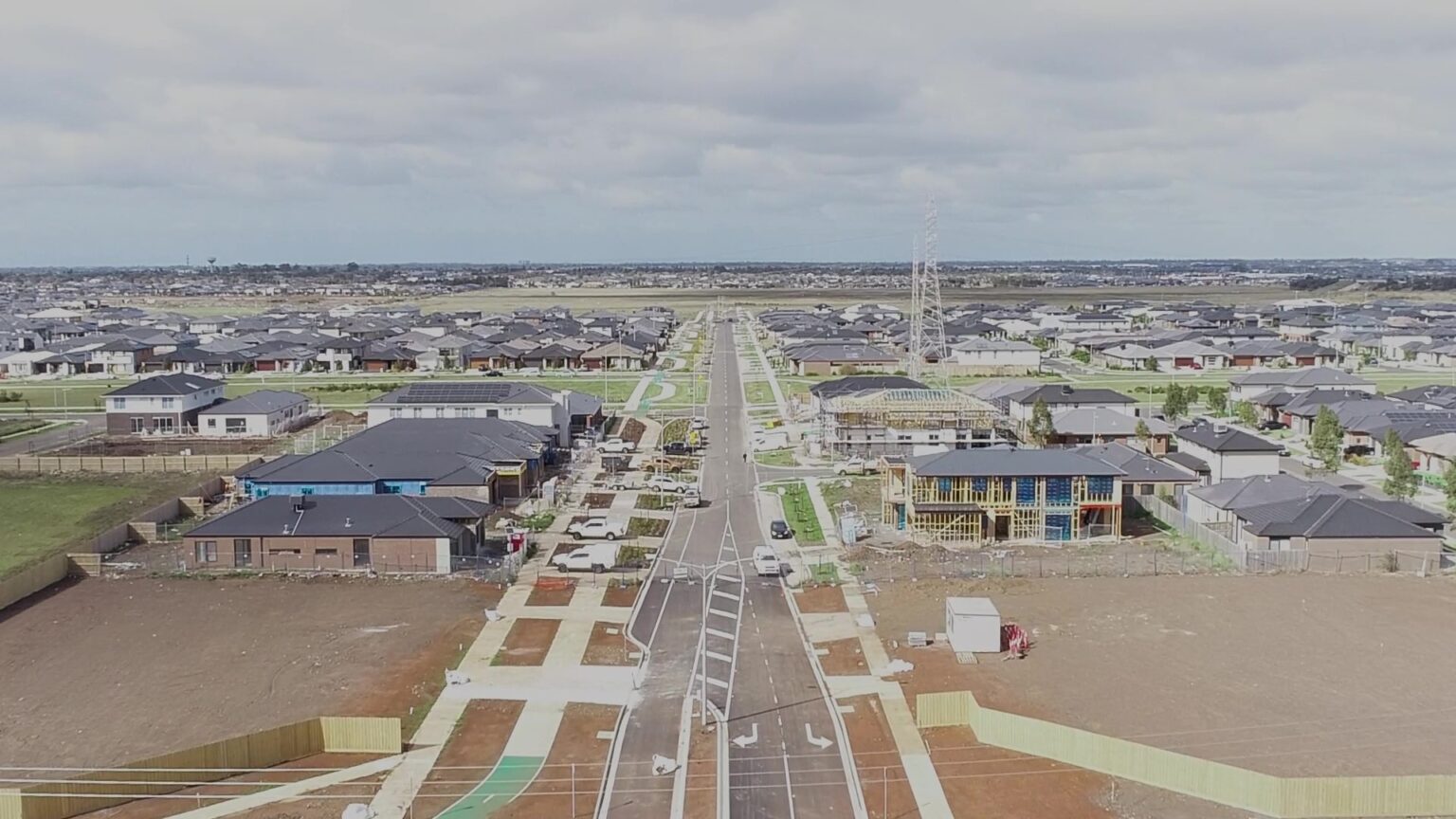
View Full WidthWe’re providing integrated services for the 213ha Botanical estate in Mickleham, in Melbourne’s north-west.
Services
Civil Engineering Construction Consultancy Surveying and Spatial Urban Design Water Engineering
Client
Satterley Property Group
Location
Mickleham, VIC
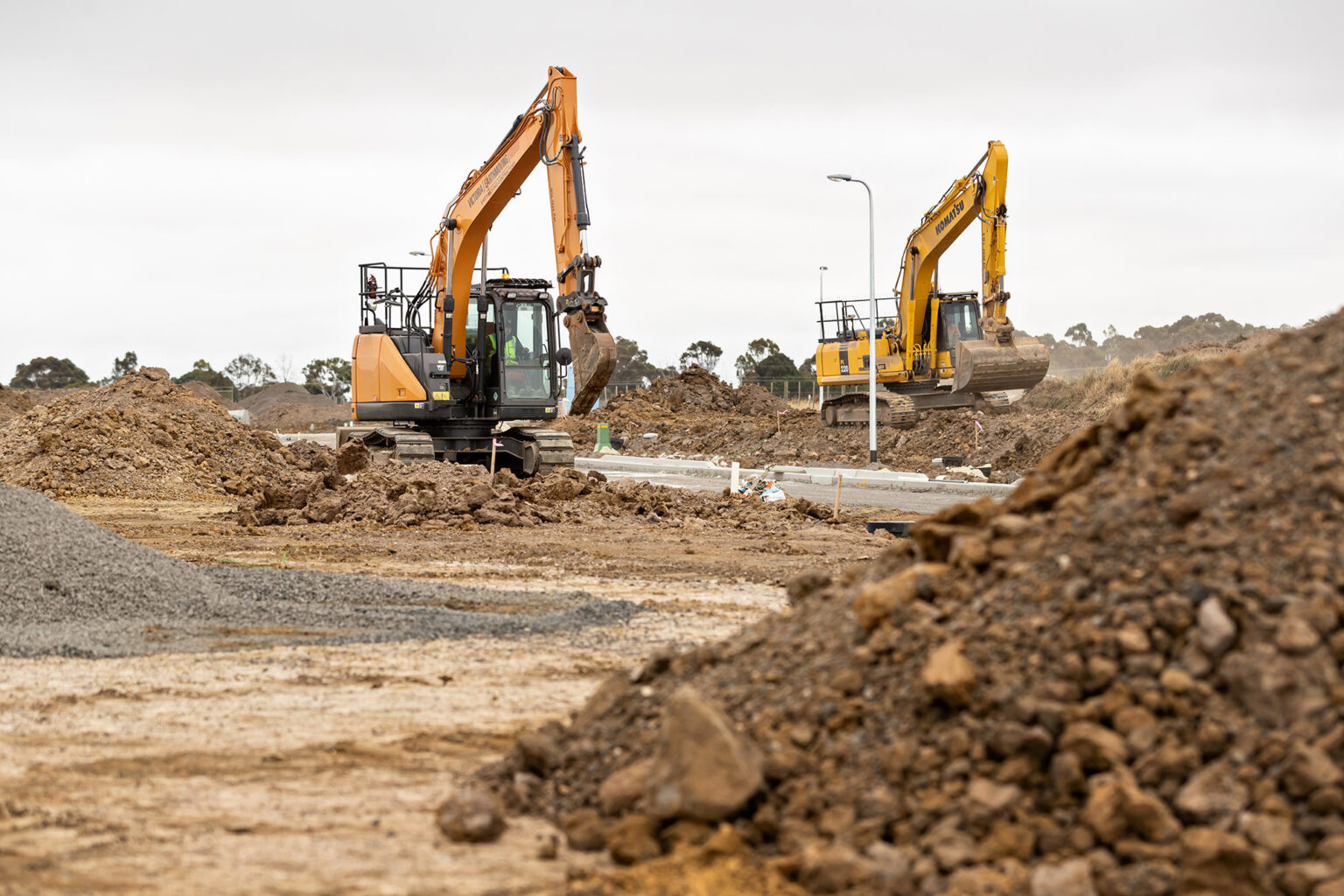
Spiire has been engaged by Satterley Property Group to provide civil engineering, construction consultancy services, surveying, water engineering and urban design services at Botanical.
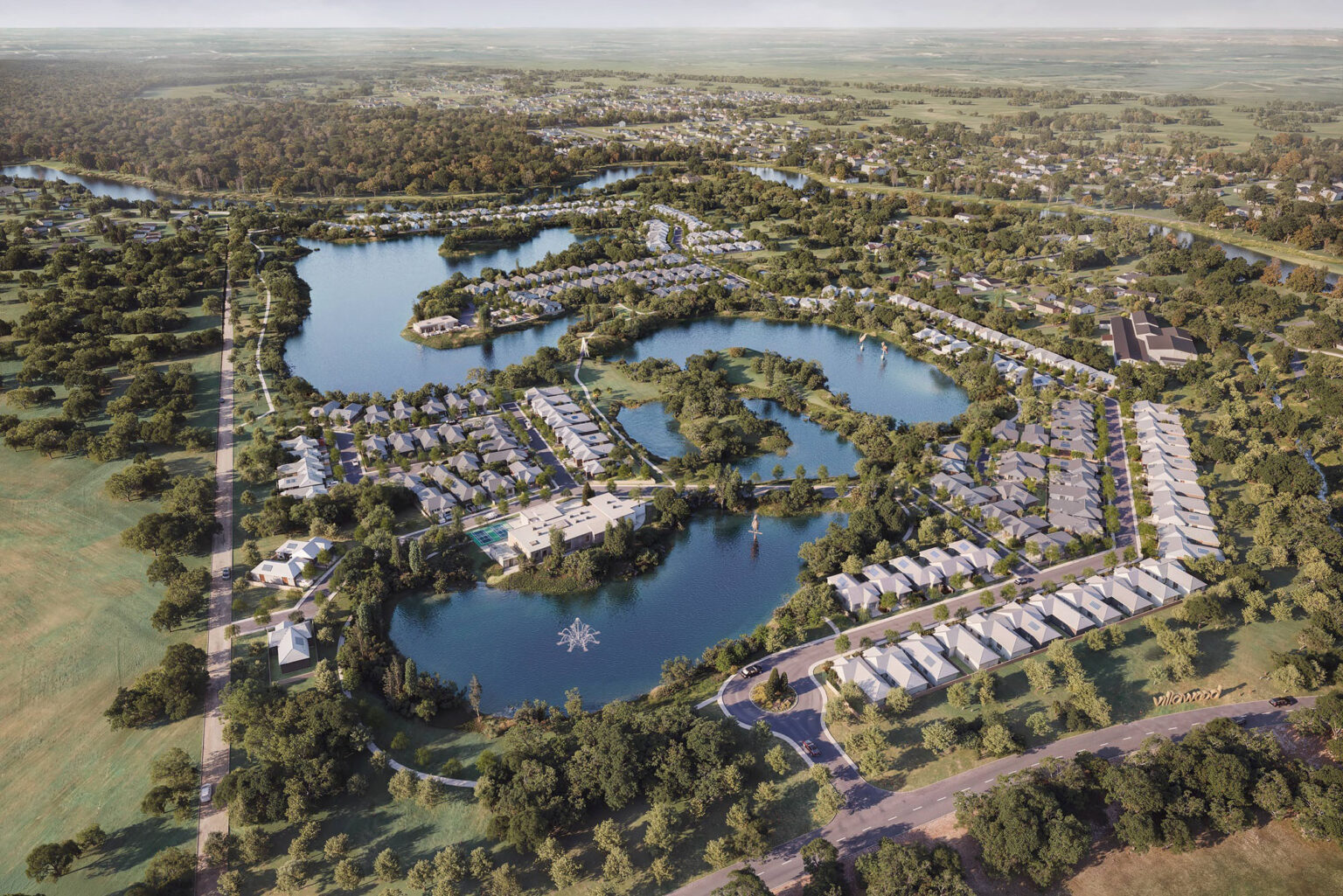
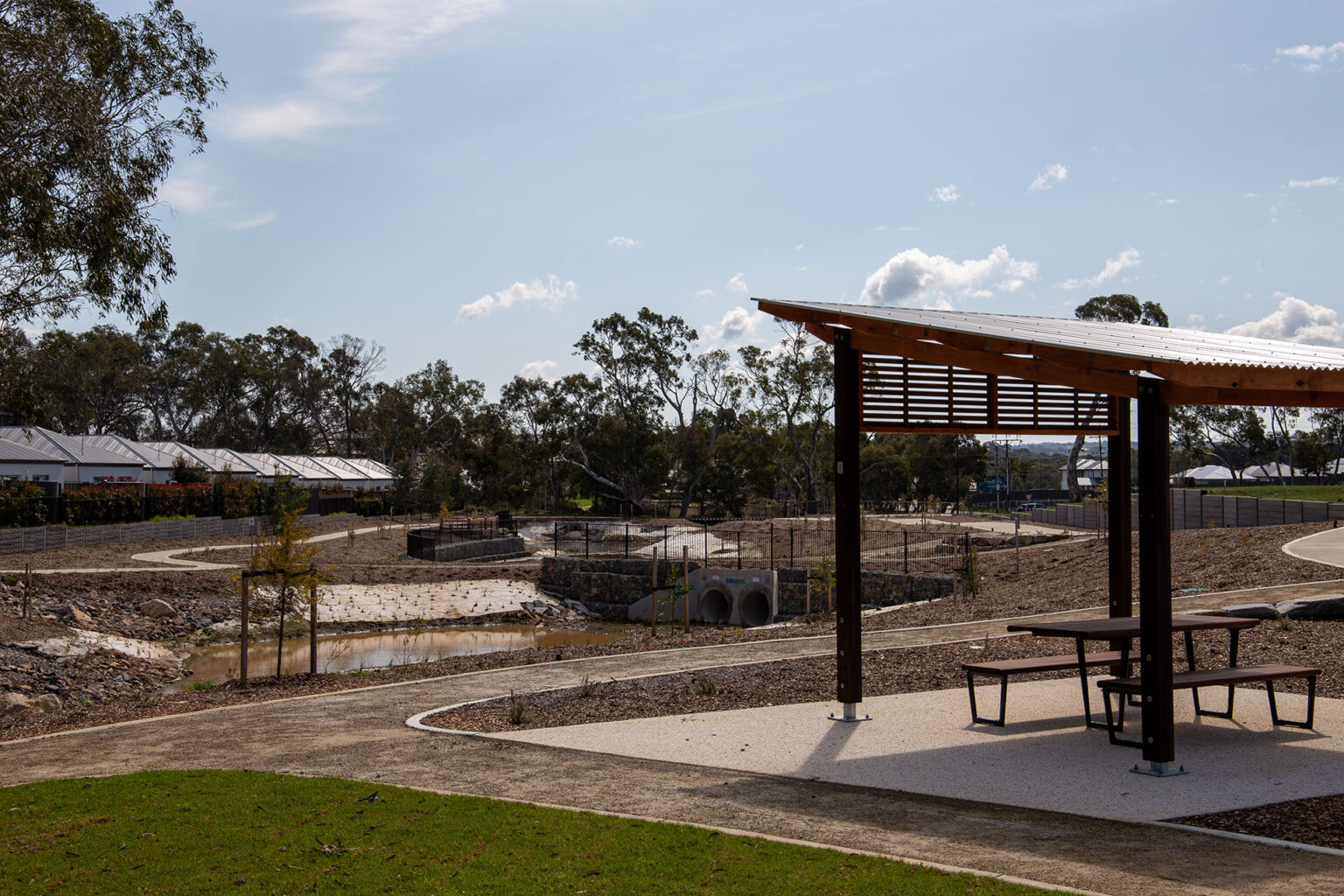
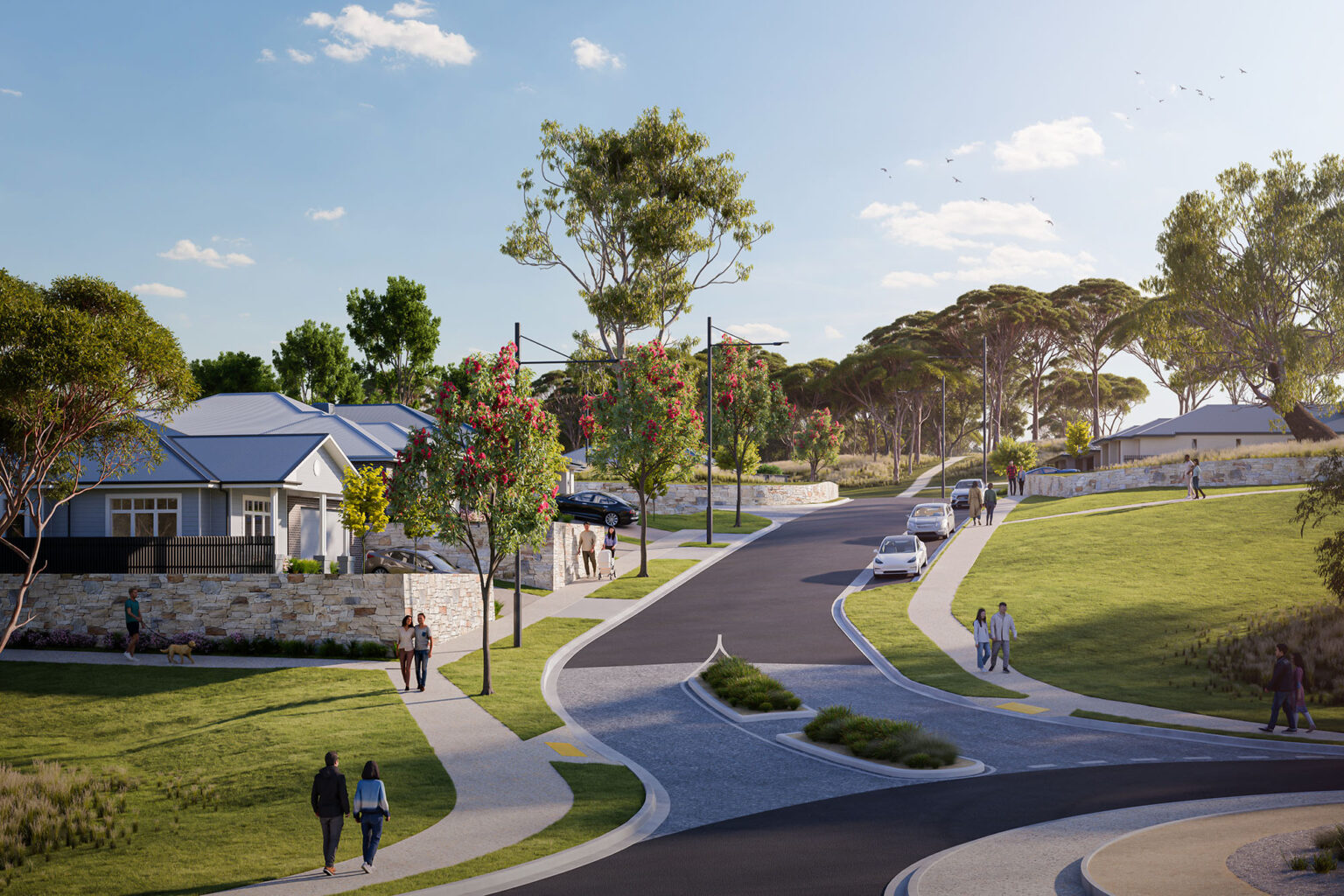
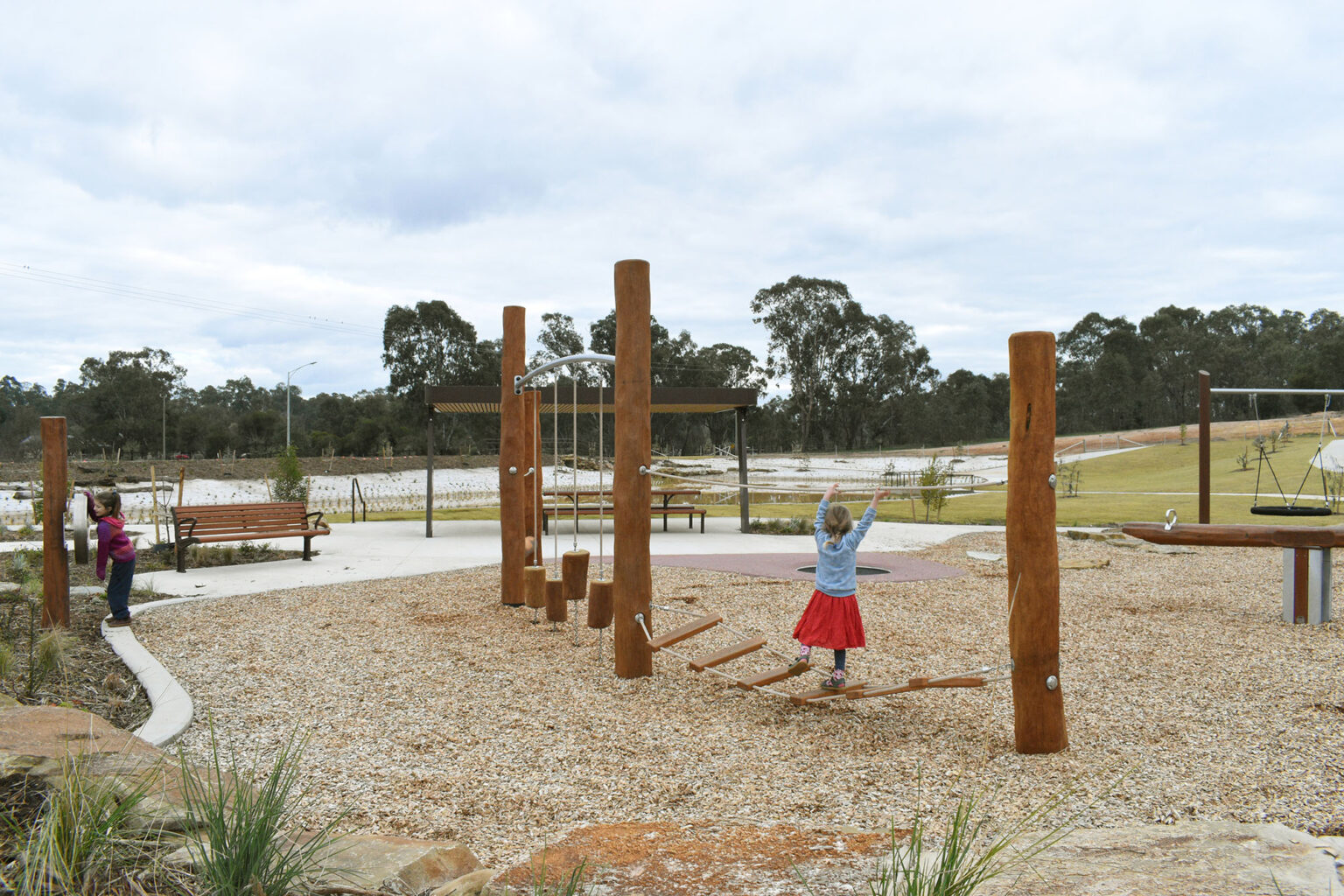
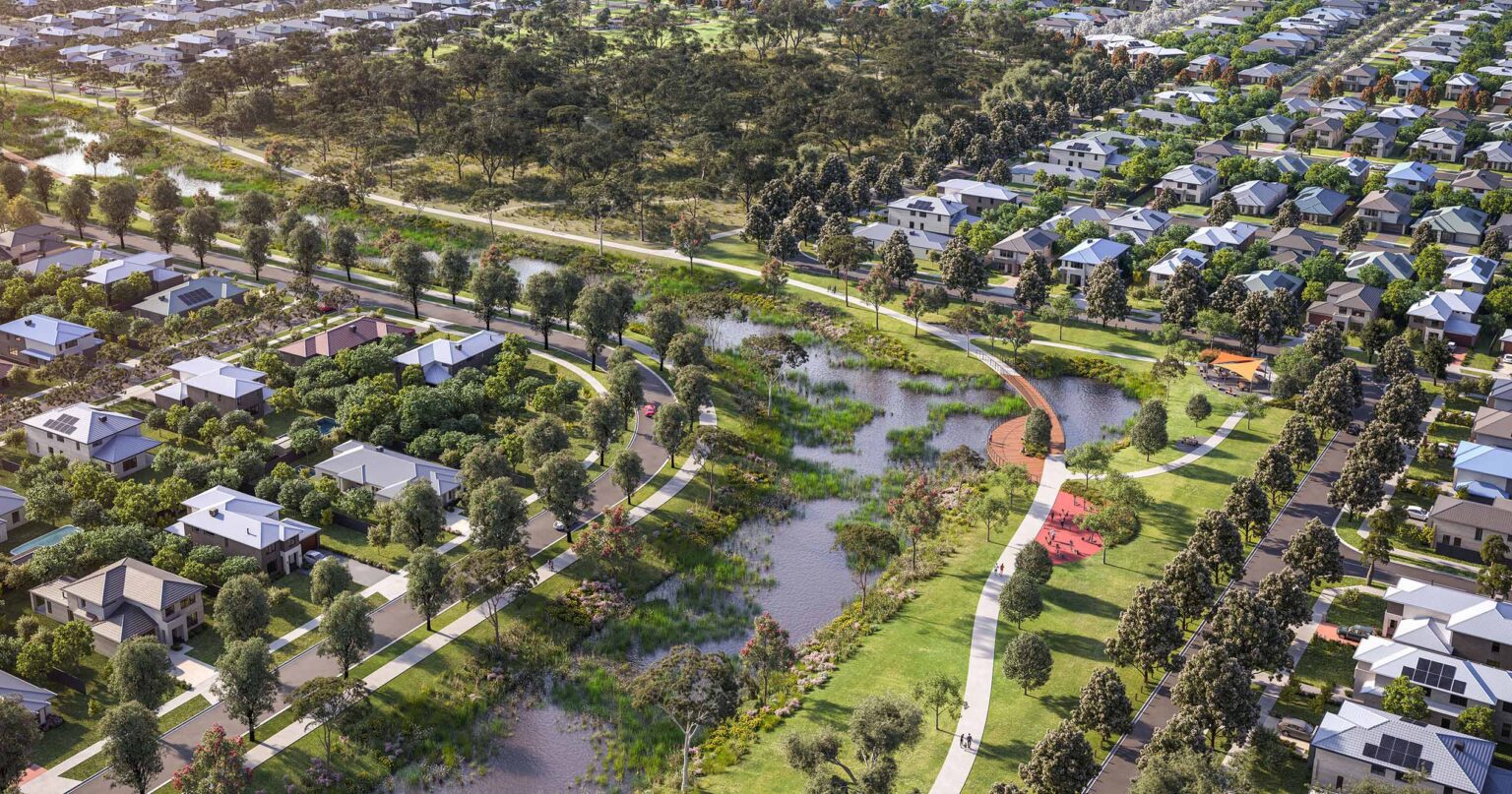
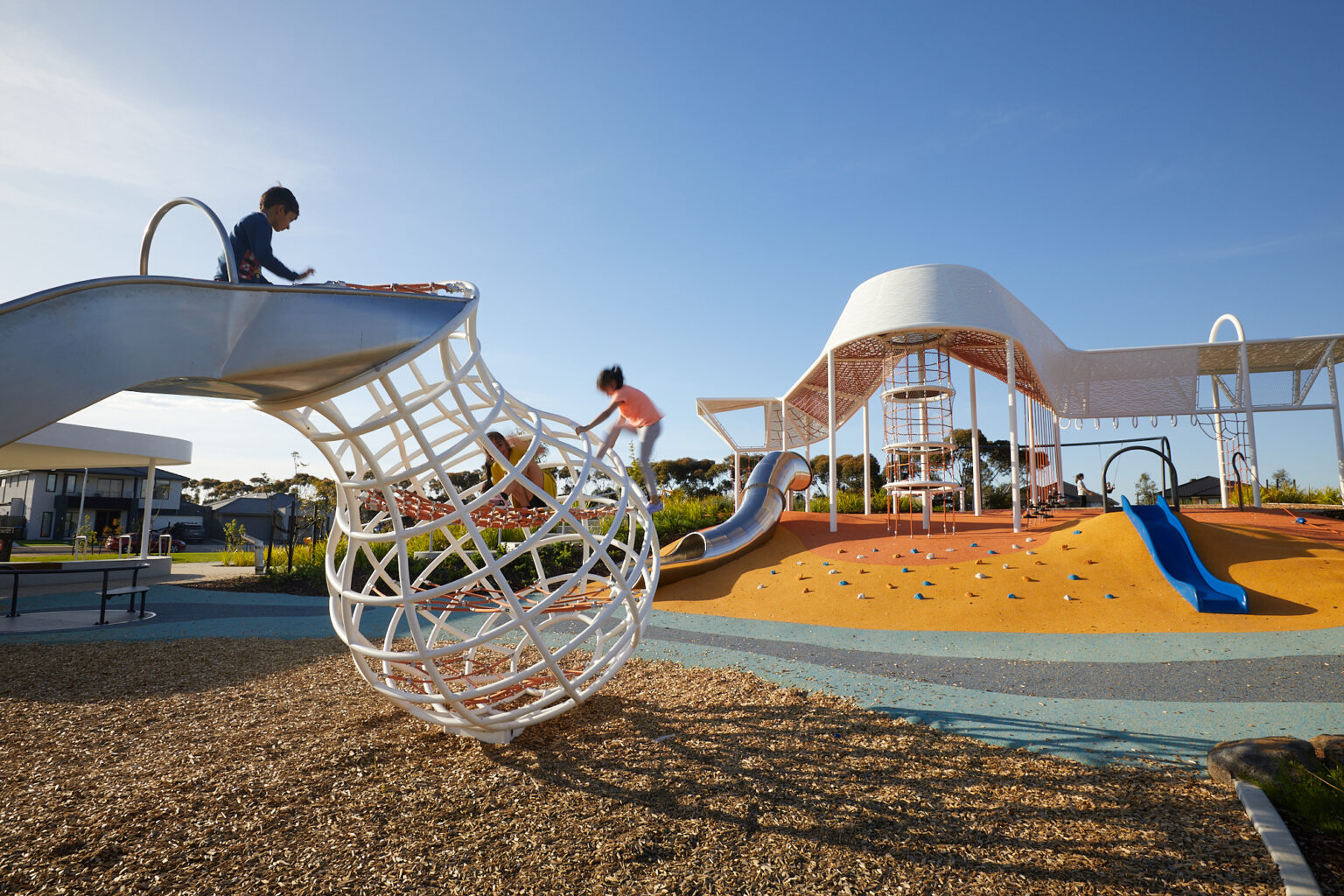
This significant 2600-lot masterplanned community will include a local town centre, over 30ha of planned open spaces, sports oval, reserves, parks, convenience stores, three retarding basin / wetlands, and two main drains. The site also includes a conservation reserve and several pocket parks with established trees.
The estate is divided into three neighbourhoods, commencing with Neighbourhood 1 which has been constructed in the northern section of the site. Neighbourhood 2, Evergreen, is underway to the south adjoining Mt Ridley Road, while Neighbourhood 3, The Willows, will connect these two precincts to complete the Botanical community.
Significant civil infrastructure
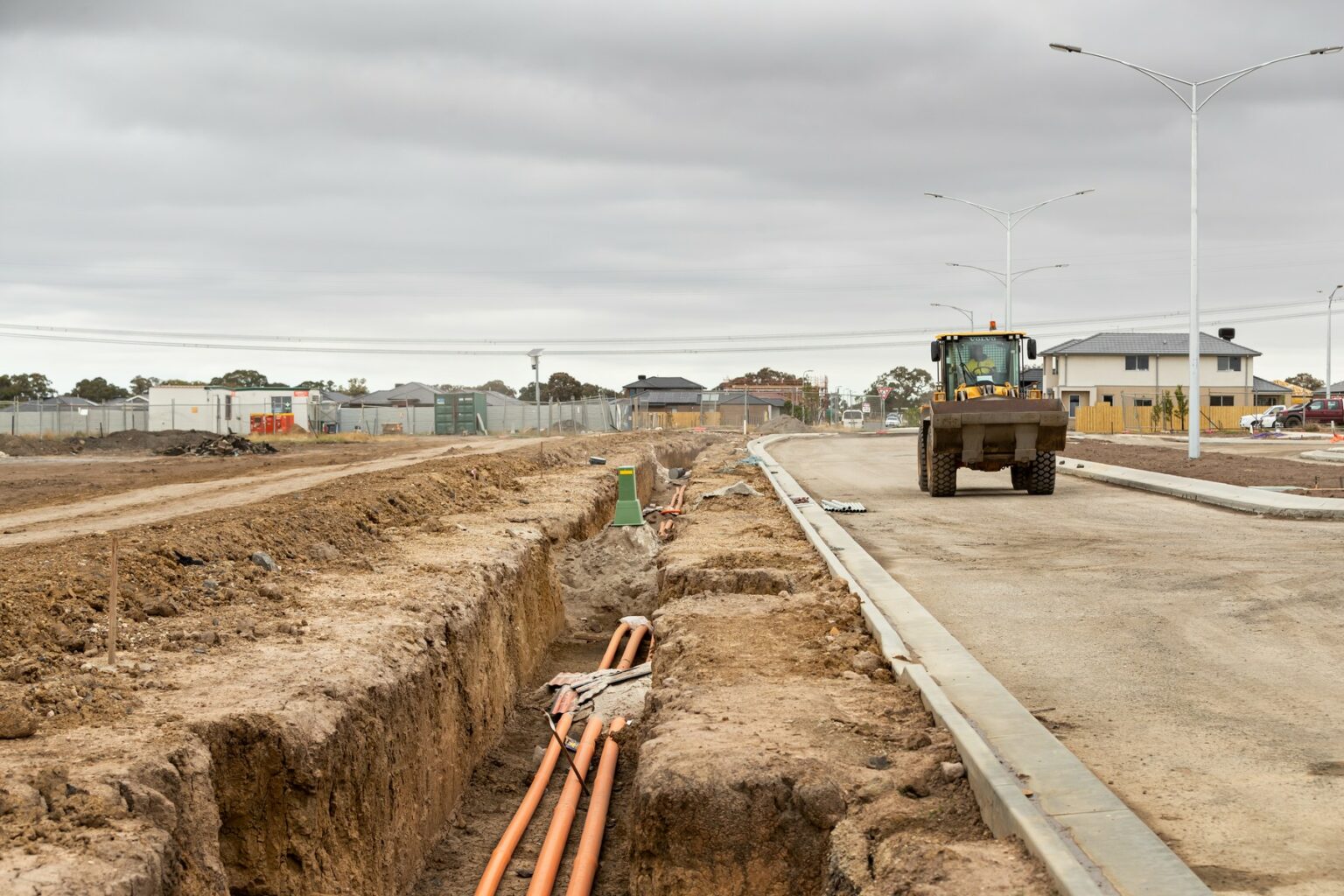
Our civil engineers are providing the designs for all civil infrastructure, which includes three signalised intersections and a branch sewer up to 11m deep. We’re providing Construction Consultancy Services, working closely with principal contractor Symon Bros Constructions, in the delivery of these designs.
Two of the signalised intersections were built in the delivery of Neighbourhood 2. The upgrade to the intersection of Mickleham Road and Mt Ridley Road was designed to allow for additional traffic within the area, while a second signalised intersection on Mt Ridley Road serves as the southern access point to the estate.
Approximately 1500m of branch sewer was constructed to service future residents of Neighbourhoods 2 and 3.
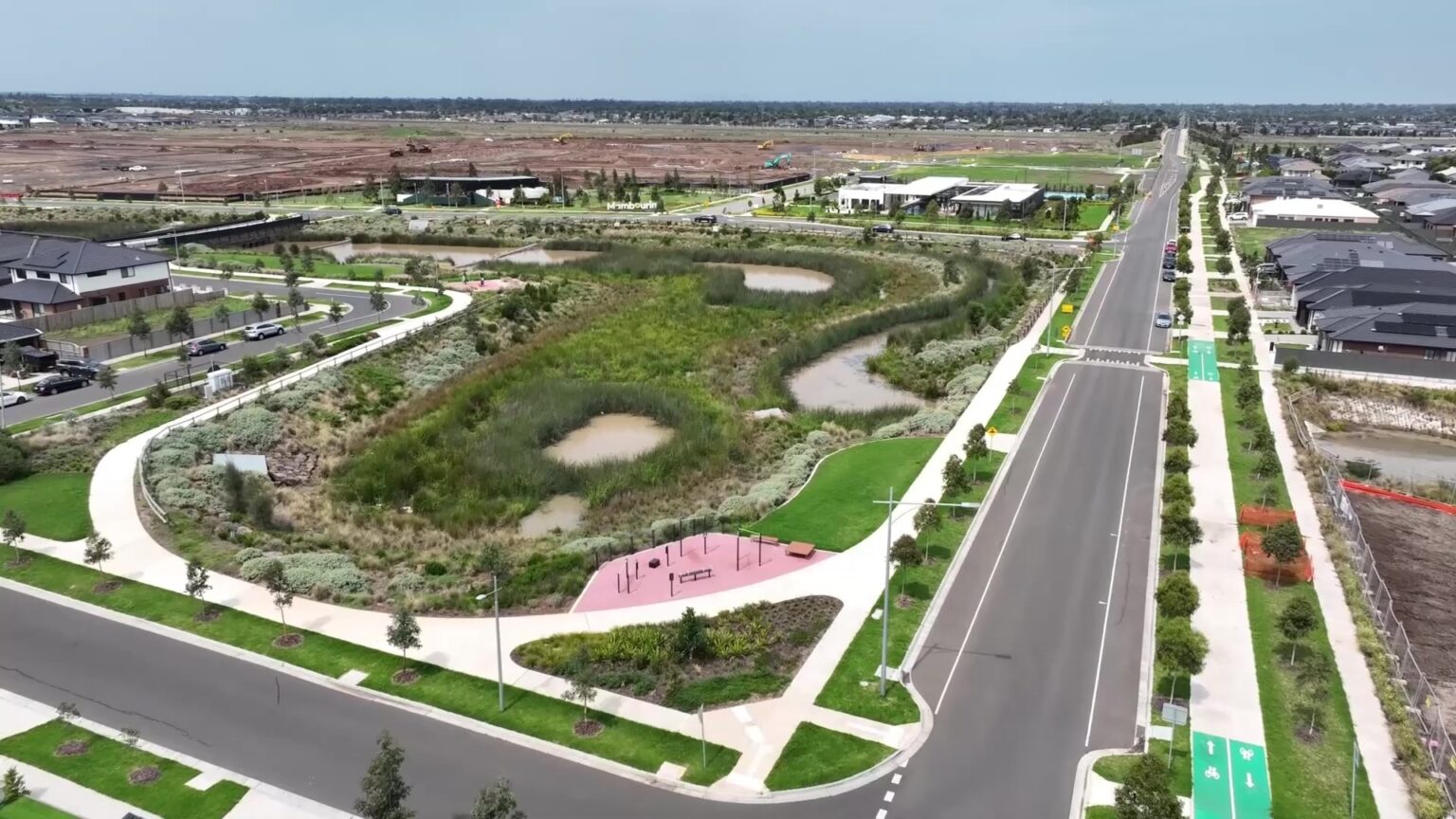
Our water engineers are undertaking the functional, detailed design and construction consultancy of three wetland systems which include three sediment basins, three macrophyte wetland cells (and associated trunk drainage) and three regional retarding basins. We are also completing the detailed design and construction consultancy of 1.2km constructed waterway which has critical native vegetation nearby.
Navigating servicing challenges
The relationships with Satterley, the contractor, internally and with the authorities are paramount for the various challenges and risk mitigation. Initially there was no sewer outfall and drainage outfall, for the first neighbourhood. We have worked closely with Yarra Valley Water to ensure eduction was possible for the various catchments. Our civil and water engineers have also worked closely with Council and Geotechnical Engineers to demonstrate rainfall events would not cause flooding to surrounding properties in the absence of drainage outfall.
The lack of drinking and non-drinking water supply has meant working closely with Yarra Valley Water to consider temporary water supply options, temporary cross connections and productively deal with pressure zone boundary issues.
Working closely with Ausnet and various authorities, services are being designed and constructed within the electrical transmission easement and around Melbourne-Sydney Optus Optic Fibre cable which run through the property.
To assist the health of the established trees and native vegetation existing on the site, the team have worked closely with Arborists and Water Engineers to determine the extent of passive irrigation (by providing additional runoff) that would provide the delicate balance of nourishment to ensure their wellbeing and survival.
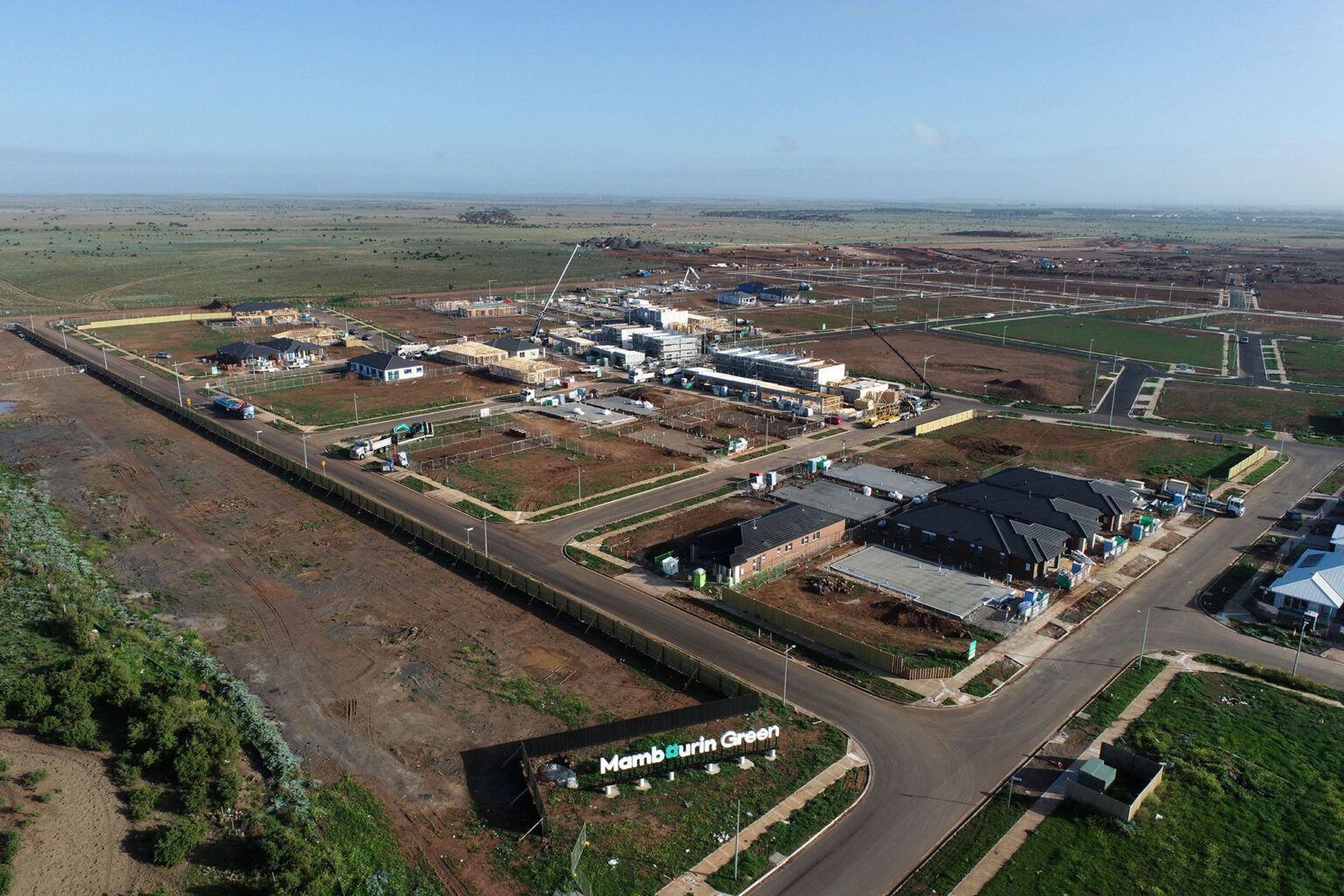
Our Surveying team have undertaken the title re-establishment, feature and level survey, asset recording, subdivision design and periodic UAV drone flights to capture imagery of the construction in addition to enhanced 360 panorama project updates.
Cross-discipline coordination
Our Urban Design team initially worked with Satterley and the Victorian Planning Authority to negotiate outcomes for the estate’s second and third neighbourhoods within the relevant PSP prior to its gazettal.
In close collaboration with our Civil Engineering team, our urban designers devised strategies to maximise developable area while achieving the required land use targets and retain abundant river red gums on site, creating flora and fauna links.
This included solutions for the estate’s sensitive interface with existing rural properties along its eastern and southern edges, by pushing pockets of medium density towards the centre, informed by careful consideration for staging and servicing.
The internal coordination and effective flow of information between the integrated project team has been crucial. This has included fortnightly cross-discipline meetings to identify opportunities for improvement and resolve issues early. It has also supported our ability to test ideas for better solutions, such as rethinking the interface between existing trees, roads or driveways, and wetlands to prioritise public access and, in some cases, avoid the need for substantial retaining walls.